
The Future of Electric Vehicle Technology: What’s Next?
The Future of Electric Vehicle Technology: What’s Next? electric vehicles (EVs) have rapidly shifted from a niche innovation to a global movement, reshaping the automotive industry and the way we think about transportation. With advances in battery technology, autonomous driving, and smart energy management, the electric vehicle technology future looks brighter than ever. But what does this future hold, and how will these technological breakthroughs shape our lives?
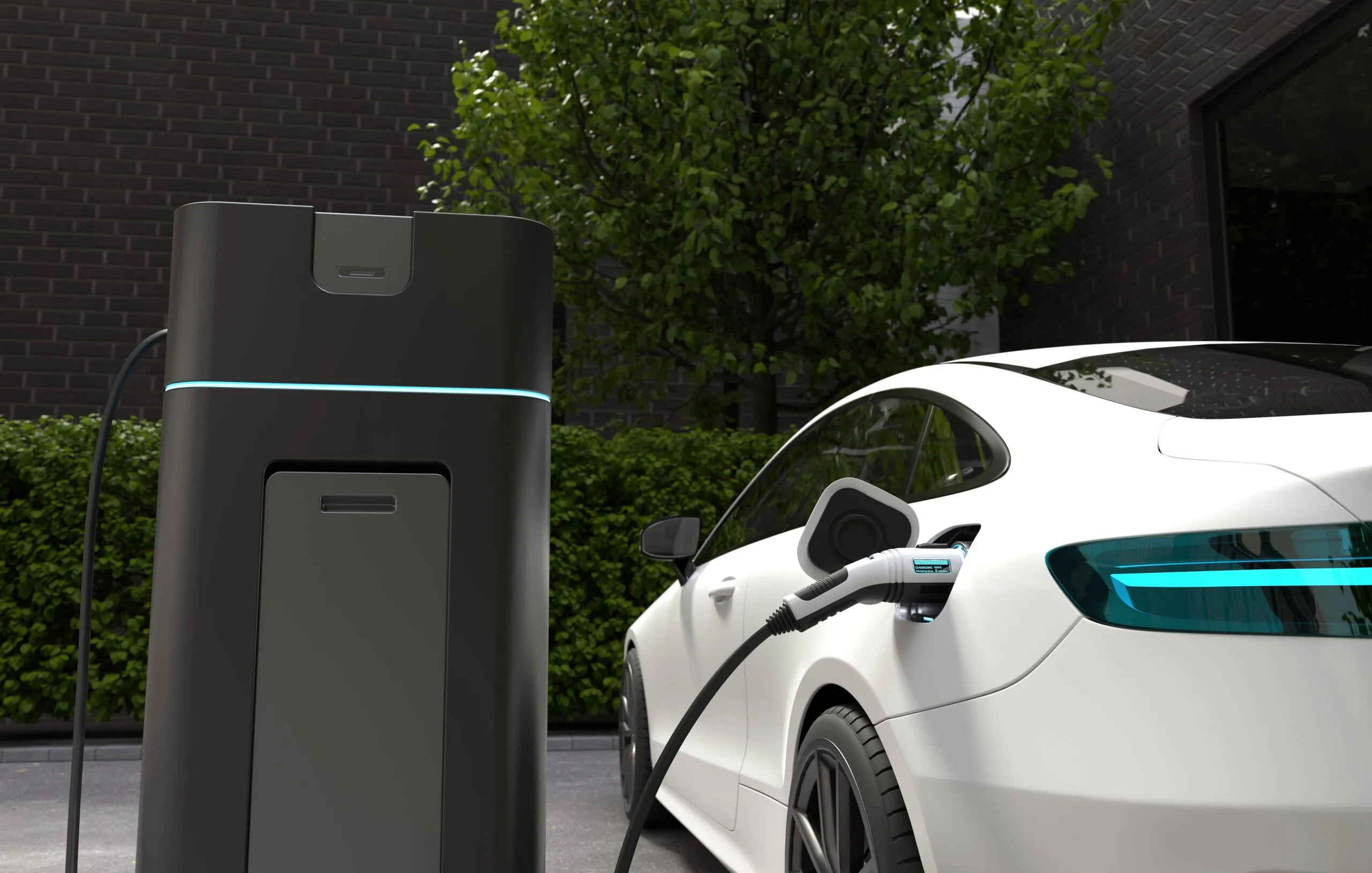
The Rise of Electric Vehicles
In the past decade, EVs have gone from being a rare sight on the road to a common choice for eco-conscious drivers. With companies like Tesla, Rivian, and Lucid Motors leading the charge, electric vehicles are no longer just about reducing emissions. They offer unparalleled performance, cutting-edge design, and innovative tech features that make them a compelling alternative to traditional gas-powered cars.
However, the electric vehicle technology future extends far beyond just replacing internal combustion engines with electric motors. It’s about creating a more sustainable, interconnected, and intelligent transportation ecosystem. This transformation is being driven by a combination of factors, including government regulations, consumer demand, and rapid advancements in technology.
1. Battery Technology Breakthroughs
The battery is the heart of every EV, and its development will play a critical role in shaping the electric vehicle technology future. Today, most EVs rely on lithium-ion batteries, which offer a good balance of energy density, weight, and cost. However, researchers are already working on the next generation of batteries, including solid-state, lithium-sulfur, and silicon-anode technologies.
Solid-state batteries, for instance, promise to deliver higher energy densities, faster charging times, and improved safety compared to traditional lithium-ion cells. Companies like Toyota, QuantumScape, and Samsung are investing heavily in this technology, with some promising commercial-scale production within the next few years.
Moreover, lithium-sulfur batteries have the potential to significantly increase the range of EVs while reducing costs, thanks to their higher energy capacity and abundant raw material supply. These advances could lead to EVs with ranges exceeding 1,000 kilometers on a single charge, making range anxiety a thing of the past.
2. Ultra-Fast Charging and Wireless Power Transfer
One of the biggest barriers to widespread EV adoption is the time it takes to recharge. While gas stations can fill a tank in minutes, even the fastest EV chargers today take 15-30 minutes to provide a significant boost. However, the electric vehicle technology future promises much faster and more convenient charging solutions.
Ultra-fast chargers, like those developed by Tesla, ABB, and Ionity, are already capable of delivering hundreds of miles of range in just 15 minutes. But the next wave of innovation will focus on reducing this time even further, potentially cutting it to mere minutes.
Additionally, wireless power transfer (WPT) could eliminate the need for physical charging altogether. Companies like WiTricity and Qualcomm Halo are developing inductive charging systems that allow EVs to recharge simply by parking over a specially designed pad. This technology could also be integrated into roadways, providing continuous power to vehicles as they drive, significantly extending their range.
3. Autonomous Driving and AI Integration
Autonomous driving is another critical component of the electric vehicle technology future. As EVs become more intelligent and connected, they will rely on advanced AI systems to navigate complex environments, optimize energy use, and improve passenger safety.
Tesla’s Full Self-Driving (FSD) system, for example, uses a combination of cameras, radar, and neural networks to interpret the road and make real-time driving decisions. Meanwhile, companies like Waymo, Cruise, and Zoox are developing fully autonomous vehicles designed to operate without any human intervention.
These systems will not only make transportation safer and more efficient but also open up new possibilities for shared mobility, reducing traffic congestion and lowering the overall carbon footprint of our transportation networks.
4. Smart Energy Management and V2G Technology
As EV adoption grows, managing the energy they consume becomes a critical challenge. Vehicle-to-grid (V2G) technology allows EVs to act as mobile power sources, feeding electricity back into the grid when demand is high or supply is low. This two-way energy flow can help stabilize power grids, reduce peak demand, and lower overall energy costs.
For instance, Nissan’s LEAF is already equipped with V2G capabilities, allowing owners to power their homes during outages or sell excess energy back to the grid. As more automakers adopt this technology, it could transform EVs from mere transportation devices into vital components of our energy infrastructure.
5. Sustainable Manufacturing and Recycling
The electric vehicle technology future is not just about what happens on the road. It also involves rethinking how these vehicles are built and disposed of. Many automakers are investing in sustainable manufacturing processes, using recycled materials, and designing batteries that can be easily recycled or repurposed.
For example, Tesla is building its Gigafactories with a focus on renewable energy and zero-waste production. Meanwhile, companies like Redwood Materials and Li-Cycle are developing innovative recycling processes to recover valuable metals like lithium, cobalt, and nickel from old batteries.
6. Advanced Telematics and Connected Vehicle Ecosystems
The next generation of EVs will be deeply connected to the digital world, using advanced telematics systems to provide real-time data on everything from battery health to driving habits. These systems will not only improve vehicle performance but also offer personalized driving experiences and predictive maintenance.
For instance, General Motors’ OnStar system and Ford’s BlueCruise technology already provide real-time data on vehicle performance, while newer platforms like Tesla’s software updates can add new features and improve performance remotely.
7. Future-Ready Infrastructure
Finally, the electric vehicle technology future depends on building the infrastructure needed to support a world full of EVs. This includes expanding charging networks, developing smart grid systems, and integrating renewable energy sources to power our vehicles sustainably.
Governments and private companies worldwide are investing billions in this effort, with ambitious plans to install millions of public chargers, upgrade electrical grids, and build renewable energy plants to power the EV revolution.
The electric vehicle technology future is bright, driven by breakthroughs in battery technology, AI integration, and sustainable manufacturing. As these innovations come to fruition, EVs will become more accessible, efficient, and environmentally friendly, transforming the way we move and live. With continued investment and technological advancement, the road ahead for electric vehicles promises to be as exciting as it is revolutionary.


